


Hearing and your health: World Hearing Day 2026
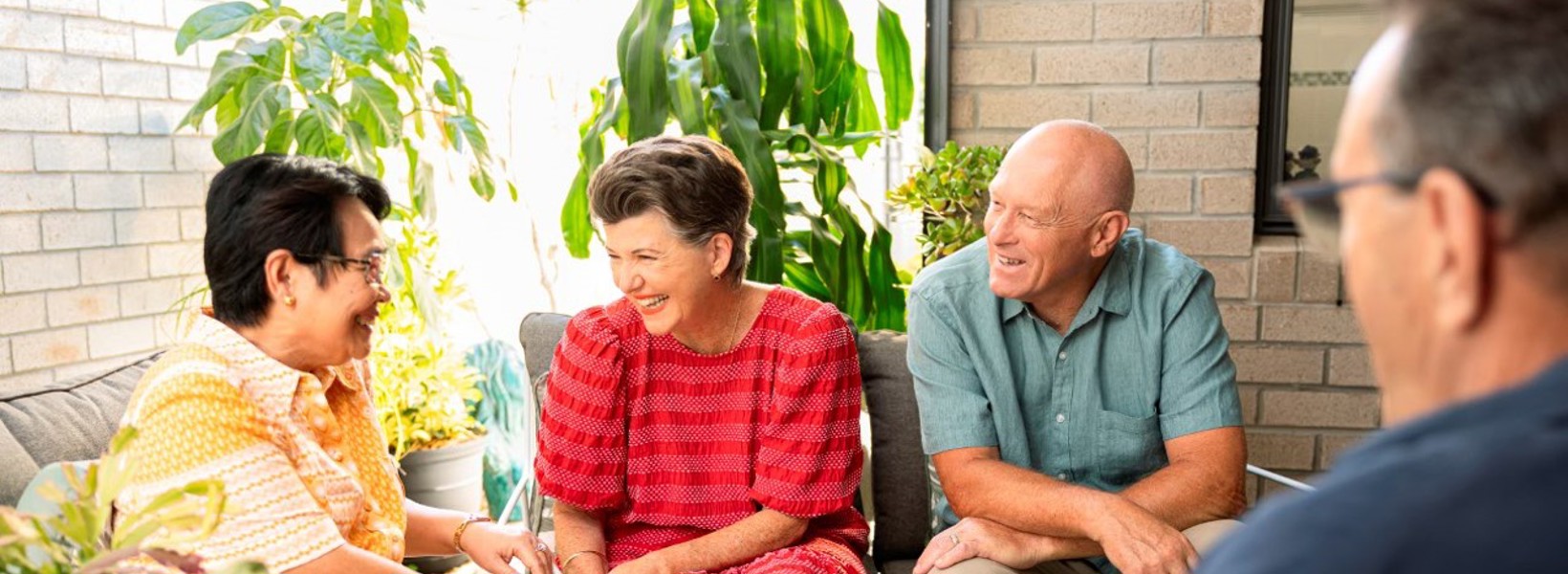
Hearing is important for positive ageing, including maintaining relationships and staying healthy and connected.
Almost half of Australians older than 75 have difficulty hearing, but research shows it can take people 7-10 years after noticing symptoms before they have their hearing tested.
Taking early action can help minimise the social and health impacts of hearing loss.
Top tips
- Protect your hearing by avoiding exposure to loud noise, exercising and eating well.
- Check your hearing regularly
- If you are having trouble hearing, don’t tough it out – check in with an audiologist and get professional advice on management
- Take advantage of hearing aids and other assistive technology – it could be as simple as accessing an app on your phone
What is age-related hearing loss?
Age-related hearing loss is one of the most common conditions affecting people as they age. It affects about half of Australians aged 60-70 and 80 per cent of those aged 80+.
It is most commonly caused by changes in the inner ear, including wear and tear on the sensory hair cells inside the ear, or by age-related changes in the middle ear and nerve pathways. Conditions such as high blood pressure and diabetes and use of some medications can also increase the risk of hearing loss.
Some signs that it’s time to check your hearing include:
- trouble engaging in conversations with friends and family
- asking people to repeat what they’ve said
- finding noisy environments more challenging
- needing to turn the television or radio up louder than usual.
Hearing and health – why it’s important to address hearing loss
Research shows hearing loss can impact relationships and social connection, causing social withdrawal and depression. It is also connected to increased risk of cognitive impairment and falls.
Hearing Australia data shows one in three respondents with a partner who has hearing loss reported feeling frustrated, while one in eight respondents said that their partner’s mishearing often led to arguments.
Dementia Australia says people with hearing loss are also twice as likely develop dementia as they age, with researchers still working on understanding the connection.
Bolton Clarke nursing teams have also been working to reduce the impact of hearing loss in health assessments.
Clinical Nurse Consultant Kylie Walters said hearing difficulties could often mimic dementia or depression, as reduced hearing greatly reduces ability to communicate. This can impact the accuracy of assessment tools and impact people’s participation in health care.
Kylie said using personal amplification devices that use digital technology to enhance speech, and tailoring the experience to client needs using headphones, has had overwhelmingly positive results, helping people to better concentrate and respond to questions.
Caring for your ears
There are some simple things you can do to protect your hearing as you age.
They include avoiding loud noise or, when this is not possible, wearing earplugs or noise-cancelling headphones to protect your ears – for example, when mowing the lawn. Try to reduce the volume on your TV and when using headphones to listen, follow the “60/60 rule” —no more than 60% of maximum volume for 60 minutes at a time.
Living a healthy lifestyle including eating healthy food and managing stress is also important.
Finally, getting your ears checked regularly can help catch hearing loss before it becomes a problem. Visit an audiologist or get started with an online hearing check.
Hearing friendly environments and new technology
If your hearing is impaired, choosing hearing-friendly environments can make a big difference to help you stay connected and involved.
Avoid hard surfaces and crowded spaces if you can – this can help reduce reverberation and decrease background noise.
It’s also important to take advantage of the wide range of assistive listening technology – properly fitted hearing aids or even hearing loops and Bluetooth technology. Some mobile phone apps can also assist.
Find out more about hearing loss and health here.
Find out more about Bolton Clarke’s work to reduce the impacts of hearing loss here.