


Tales of the Light Horse sparked Trevor’s love of horses
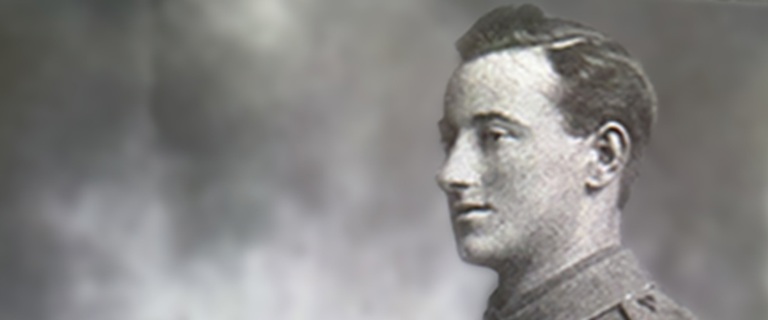
For Bolton Clarke Casey Grange resident Trevor, his lifelong love of horses is closely connected with his father’s military service.
Trevor’s father, Frederick, was 21 when he enlisted to serve in World War I with the 4th Light Horse.
“His number was 733, which means he was in the first thousand to volunteer,” Trevor said.
“They did the charge at Beersheeba and then went on to Jerusalem.”
The charge of the 4th Light Horse on 31 October 1917 is considered the last great cavalry charges, with the brigade charging at a gallop while under fire, jumping enemy trenches. The capture of Beersheba was a critical turning point in the war.
“After the war Dad met Mum and they married and moved to Daylesford. He was given a small pension so we lived on a bit of land and that’s how we were brought up, building cabins in the bush and things like that.”
As the youngest of 12 children, Trevor grew up hearing stories of his father’s time in the Light Horse.
“One of the stories he would tell us is how as they were getting closer to the town, the horses were thirsty and they could smell the water.
“They just took off and were able to just fly over the trenches to get the water they needed.”
It was those stories and early experiences on horseback with his father that led Trevor to start racing, later becoming a Caulfield Cup winning jockey.
He rode in his first Melbourne Cup at 16 and won the Caulfield Cup in 1959.
He also undertook his own national service and was in transit to fly out to Vietnam when the war ended.
“We were on bivouac and they loaded us onto trucks, down to the airport and we were on our way.
“We were a day away from hitting the front when the war ended.”
Later, Trevor continued riding and also worked as a trainer and a builder.

Retirement Living
A lifestyle you'll positively love.
Our welcoming, vibrant communities are designed for high-quality, low maintenance living.