


Solar roll-out completion marks sustainability milestone
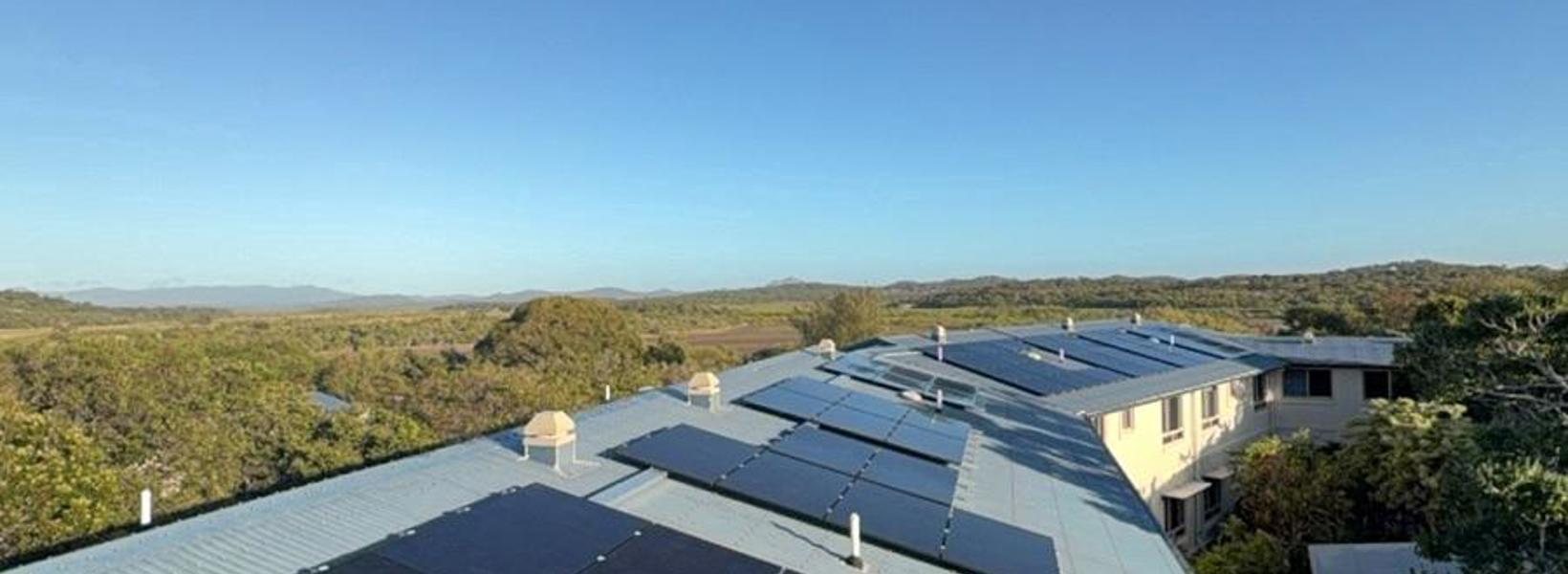
Bolton Clarke has marked a sustainability milestone with the completion of its FY25 and FY26 solar rollout across 60 residential aged care sites.
The rollout is expected to generate 6.9 GWh of electricity and offset more than 5,000 tonnes of CO2 annually, an offset comparable to the electricity-related annual emissions of approximately 1,020 average Australian households.
The 7.39 MW installed through the FY25 and FY26 rollout adds to 3.91 MW of existing or other solar capacity across the aged care portfolio, bringing total listed capacity to approximately 11.3 MW.
About 95 per cent of the generated power will be consumed on-site, with only a small proportion exported to the grid.
Bolton Clarke Property Development Manager David Brophy said the organisation’s solar program was designed to right-size systems and balance sustainability outcomes, site demand and project value while supporting resident care.
“With completion of this project, solar is expected to supply about one in five units of electricity used across the participating homes, reducing the volume of grid electricity required during solar-generating periods,” he said.
“Aged care homes operate 24 hours a day, but solar reduces grid electricity purchases during daylight hours.
“Daytime solar helps offset electricity used for air conditioning, common area lighting, ventilation and other building services that support resident comfort.
“It also coincides with daytime electricity demand from commercial kitchens, refrigeration, meal preparation and dining services and can offset daytime electricity use by laundries, linen services, pumps and electrically supplied hot water systems.”
Mr Brophy said the system design sought to maximise solar electricity consumed directly by each aged care site during solar generation periods.
“Capacity was modelled against each site’s electricity demand profile rather than simply maximising available rooftop capacity,” he said.
“The aim was to balance sustainability benefits, electricity savings, network requirements and practical site conditions.”
Ongoing monitoring will compare actual generation, electricity offset, carbon reduction and savings against the original modelling.