


Nutrition: It's about more than what's on the table
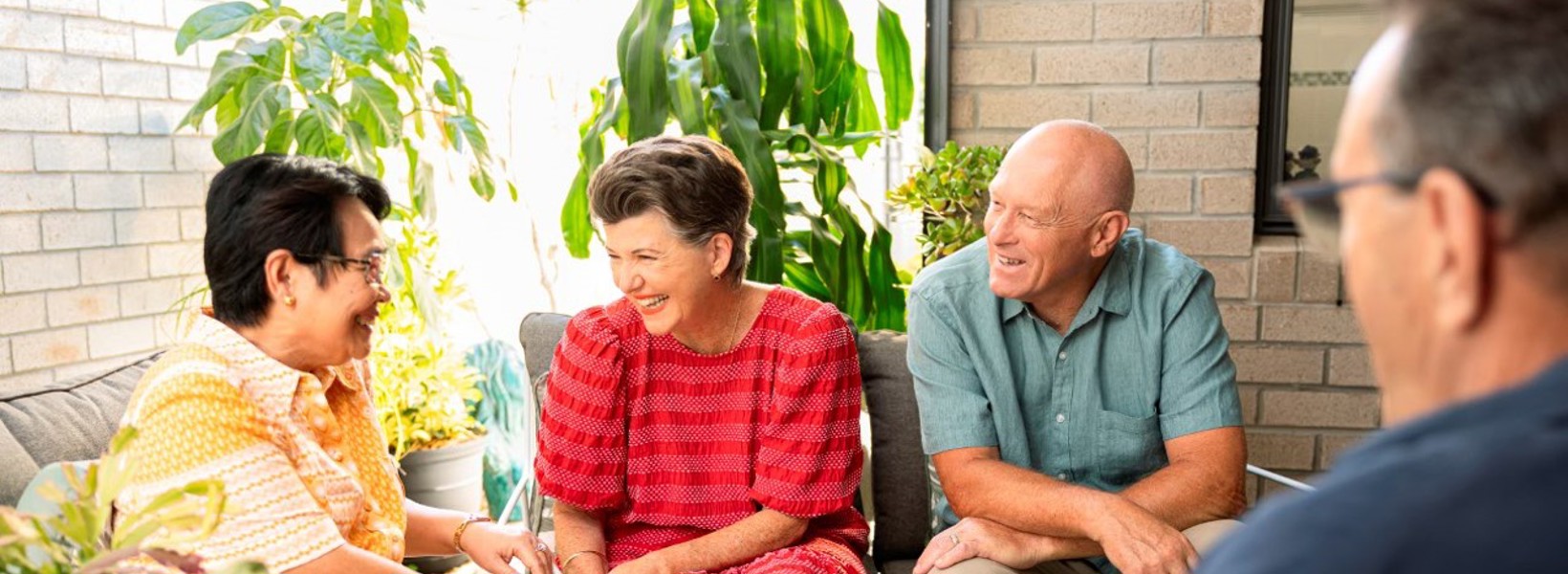
Shared meals and community participation are central to improving nutrition as we age, latest research suggests.
As part of its Healthy Ageing and Frailty research program, the Bolton Clarke Research Institute is looking beyond the food on the table to consider the impact of social and environmental factors in nutritional health.
Accredited Practising Dietitian and Institute researcher Zoe Selby said good nutrition played an important role in preventing and addressing frailty, supporting recovery from illness and wound healing and helping older people stay strong, independent and connected.
This Week, October 12-18, is National Nutrition Week, with a focus on inspiring a connected and nourished Australia.
“Improving nutrition is about much more than food alone,” Zoe said. “Identifying broader factors connected with nutritional risk is an important part of helping people age well.”
“As part of our Healthy Ageing and Frailty research program, the Bolton Clarke Research Institute is exploring how physical, social and environmental factors influence nutritional health.
“For many older people, eating well can be affected by factors including social connection, access to food, confidence in shopping or cooking, oral health, mobility and general health.”
She said emerging research suggests meals are not only a source of nourishment but an important opportunity for social connection and companionship, which in turn is associated with healthier dietary intake.
A review of 72 studies found shared meals can support nutrition, wellbeing and social participation, while eating alone is often associated with poorer dietary intake, loneliness and reduced motivation to prepare meals.
Older adults at higher nutritional risk were more likely to eat alone than those at lower nutritional risk.
“Research has also shown that social isolation and loneliness are associated with an increased risk of poor nutrition, further highlighting the close connection between eating well, staying connected and maintaining health as we age,” Zoe said.
“Family and friends, care staff, nurses and allied health professionals are often well placed to notice early signs of poor nutrition including changes in eating habits.
“By identifying these concerns early and facilitating appropriate support, everyone can play an important role in helping older people maintain their health, independence and quality of life.”