

Changing attitudes about ageing
Is positive ageing possible?
Early responses to an online positive ageing survey from not-for-profit aged care provider Bolton Clarke are shedding new light on the answer, with respondents keen to dispel some of the stereotypes about growing older.
Around 98 per cent of respondents say they think positive ageing is possible or might be possible, while 84 per cent say they are not defined by their age.
Asked to share something surprising about growing older, common themes include feeling more confident, worrying less, having better perspective, being more able to speak up for yourself and having more time to enjoy the things that are important.
“I feel truly myself for the first time – no need to pretend,” one respondent said.
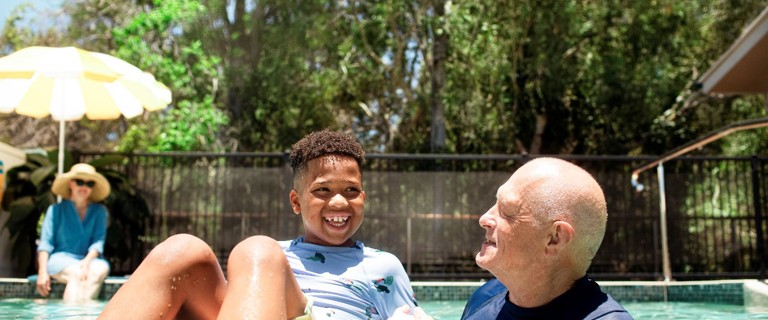
For most, ageing hasn’t meant standing still. Respondents have described continuing to work, volunteer, exercise, travel, garden, learn, paint and try new things.
Many have called out assumptions they’d like to challenge – that older people are less capable, less active, unable to learn, technologically disconnected or ready to “retire quietly”.
“We need to correct the generalisations and stereotypes depicted in media that shape how we are treated,” one Western Australian respondent said.
“Inside this older body I still want to dance!” said a NSW woman.
“We are not invisible – we are still here and a much better version”, a Queensland woman said.
When asked who they looked to as role models for positive ageing, some nominated famous faces while others named people closer to home.
Helen Mirren was named several times alongside figures like Iris Apfel, Judi Dench and David Attenborough but mothers, fathers, grandparents, siblings, aunts and friends also featured prominently, suggesting positive ageing is something people see modelled in their everyday lives.
The survey is building a picture of what positive ageing means to Australians.
To join the conversation, visit www.boltonclarke.com.au/positive-ageing